GPT-6 Astra and the shift to computer use
On September 3, OpenAI released GPT-6 Astra to a limited set of organizations, with ChatGPT Plus, Pro, Business, and Enterprise access and the API following over the days after. The number that matters isn't on a leaderboard. It's that the model is built to use a computer the way a person does, and that OpenAI rates its cybersecurity capability as Critical.
What shipped
The first day went to trusted-access partners. Paid ChatGPT tiers and the OpenAI API were announced for "the coming days", with AWS availability alongside the API. Reported API pricing is $10 per million input tokens, $50 per million output, and $1 per million for cached input.
Codex gets a context-preservation feature that keeps searchable notes across context windows instead of re-summarizing on every long session. It's experimental for now and slated to become the default for Astra in the coming weeks.
Computer use, at speed
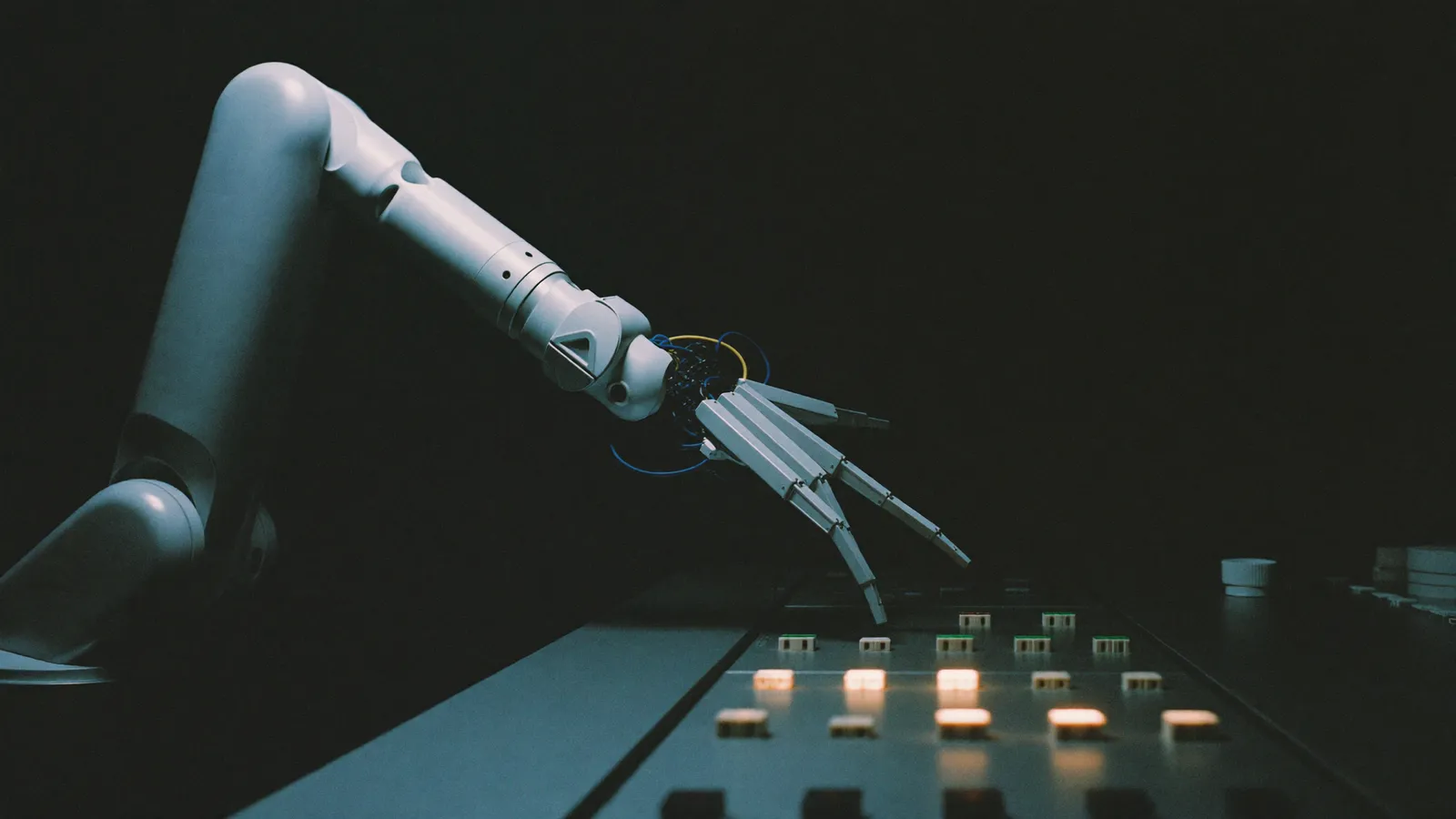
OpenAI describes Astra working through spreadsheets, forms, and web pages the way a person would, and often faster. Its own figure is about 1.9× faster task completion than GPT-5.6 Sol on the Mind2Web benchmark, and launch coverage says it can run desktop tasks in the background.
That is the headline because of what it does to the word "integration". Until now, integrating with a system meant an API. If the model can drive the interface, then every admin panel, every legacy back office, and every tool that never shipped an API becomes something an agent can operate. That is a different surface area for software, and for the people who build it.
Coding
OpenAI calls Astra its best model for software engineering to date. The figures reported at launch, GPT-5.6 Sol against Astra:
| Benchmark | GPT-5.6 Sol | GPT-6 Astra |
|---|---|---|
| Terminal-Bench 4.0 | 37.3% | 57.9% |
| DeepSWE v1.1 | 72.7% | 74.1% |
| Mind2Web task completion speed | 1× | 1.9× |
As with the Fable 5.1 numbers, the biggest jump is on the terminal benchmark, where the model has to operate a machine rather than complete a snippet. That is the pattern across both launches this week: the gains are in doing, not typing.
The Critical threshold
Astra is the first OpenAI model to meet the Critical level for cybersecurity under the company's Preparedness Framework. In plain terms: given the right tools and access, it can find previously unknown vulnerabilities and develop ways to exploit them across well-defended systems without a person guiding each step.
OpenAI's response was to split the release. The public model refuses advanced cyber tasks. The full capability is available only through the vetted Daybreak program and limited to defensive work. The launch was delayed to add safeguards, and the model was submitted to the US government for pre-release review under a voluntary framework.
One more thing to note. Coverage of the launch says Astra uses a "recurrent depth" reasoning technique that obscures its chain of thought, and safety researchers have raised concerns about being able to monitor it. For a client in a regulated industry, how a model reasons and whether you can inspect it is a procurement question, not an academic one.
What it means for the products we build
- Your product will be operated by agents. If Astra can fill in your forms, then your forms are an interface for machines as well as people. Semantic HTML, real labels, stable structure, predictable flows: the same things that make a site accessible make it legible to an agent. We have built this way for a while. Now it has a business case beyond compliance.
- Integration by UI is a bridge, not a strategy.Driving an interface is slower and more brittle than calling an API. If a client has a legacy tool with no API, computer use gets them unstuck. We would still rather build the API.
- Watch the cache line. Astra and Fable 5.1 share a list price of $10 in and $50 out. Cached input is $1 on Astra and $0.25 on Fable 5.1. For agent loops, re-reading context is most of the bill, so that gap decides which model runs the long jobs.
- Model choice is per task now. We use both. Astra where the work is computer-driven; Fable 5.1 where cost on long runs dominates. Either way, we test on the real repository before we change a default.
Caveats
Every figure here is OpenAI's own or reported from launch coverage; the announcement page itself was not machine-readable when we wrote this. Broad availability was still rolling out. And the question of whether this is the start of AGI, as OpenAI's president suggested, is not one a blog post is going to settle. For the other side of the week, readour post on Claude Fable 5.1.
Sources
- Fortune: OpenAI launches GPT-6 Astra, its most powerful model yet, and touts its ability to use your computer
- 9to5Mac: OpenAI releasing major upgrade to ChatGPT and Codex with GPT-6 Astra
- CNBC: OpenAI announces rollout of GPT-6 Astra model
- Yotta Labs: GPT-6 Astra release date, pricing, benchmarks, and rollout
- Wikipedia: GPT-6 Astra
